How to Choose Furniture That Actually Lasts
Stop buying furniture you will replace in two years. Learn how to judge quality, which materials age well, and where to spend vs. save for pieces that last decades.
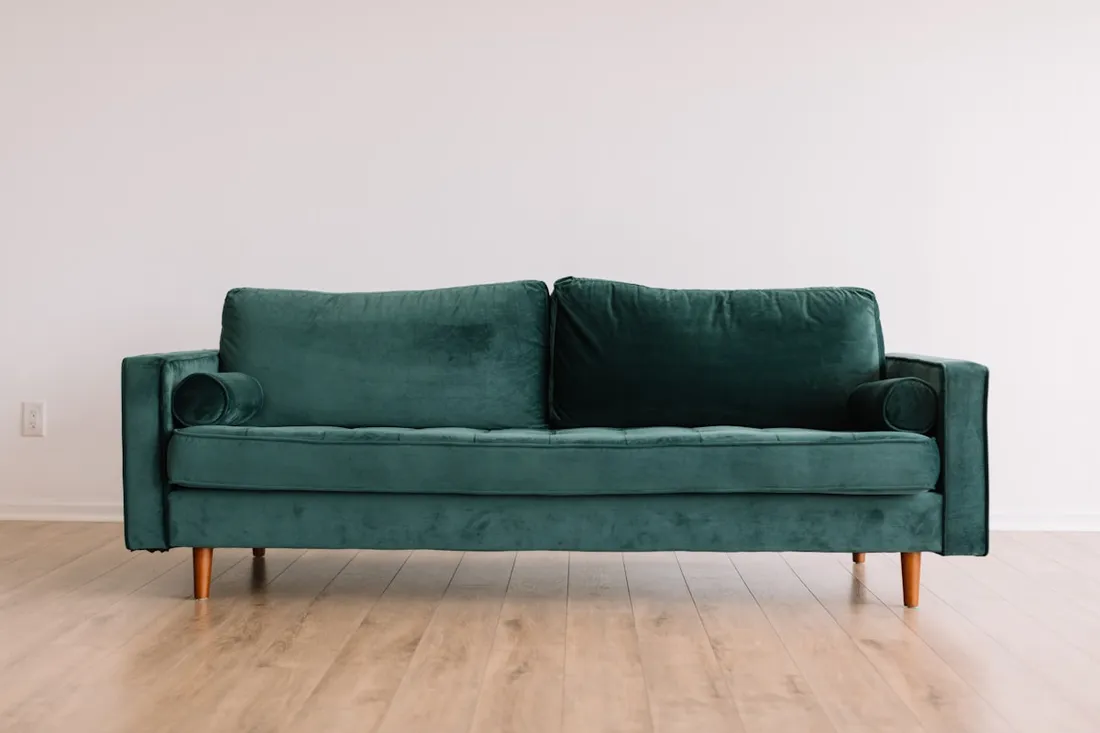
There is a furniture crisis happening and nobody is talking about it. The average sofa gets replaced every seven years. The average dining table lasts about five. People are spending real money on pieces that end up on the curb half a decade later, then spending real money again to replace them.
Meanwhile, your grandparents probably still have the dining table they bought in 1975 and it looks better now than it did then. That is not nostalgia, it is the difference between furniture that was built to last and furniture that was built to sell.
The Four-Box Quality Test
When you are standing in a store or scrolling online, you need a quick way to judge whether something is worth the money. Here are four things to check.
Weight. Pick it up or push it. Quality furniture has heft. Solid wood is heavy. Real leather is heavy. Metal frames are heavy. If a dining chair feels like you could throw it across the room, it is made of particle board and staples and it will not survive five years of daily use.
Materiality. What is it actually made of? Flip it over, read the label, look at the edges. Solid wood, real leather, quality metal, natural stone, these are materials that age well. Veneer, faux leather, MDF, and plastic laminate are materials that degrade. There is a massive difference between a solid oak table and a table that looks like oak but is MDF with a photo-printed surface.
Comfort. Sit in it. Not for five seconds, actually sit in it for a few minutes. A chair or sofa that feels fine in a showroom might be uncomfortable after an hour. High-density foam and proper support matter more than how plush it feels initially. The cushion that is softest on day one is often the one that collapses first.
History. Does this design have staying power? A piece of furniture that has been in production for decades, or is based on a classic design, is less likely to feel dated in five years. The Wishbone Chair has been around since 1949. The Eames Lounge since 1956. They still look current because they were never trendy to begin with.
Materials That Age Well
Some materials get better with time. Others just get worse. Knowing the difference saves you thousands.
Solid wood develops a patina. Scratches and wear marks add character. An oak dining table at twenty years old tells a story. A particle board table at twenty years old is in a landfill.
Real leather softens and develops a beautiful worn look over years. Faux leather peels and cracks within two to five years. The price difference is significant but the longevity difference is even bigger.
Linen and heavy cotton upholstery relax and soften beautifully. They are also easier to clean and repair than synthetics. A linen slipcover that looks worn just looks more expensive.
Metal, brass, steel, iron, is essentially indestructible for furniture purposes. Brass develops a warm patina. Steel stays sharp. Both outlast any finish or fabric by decades.
Avoid: Anything described as engineered wood, bonded leather, polyester-blend fabric in structural applications, or high-gloss lacquer that will chip and scratch.
What to Splurge On
Not everything needs to be an investment piece. But some categories reward spending more.
The sofa. You will sit on it every day for a decade. A well-made sofa with a hardwood frame, eight-way hand-tied springs, and high-density foam will stay comfortable and hold its shape. A cheap sofa sags within two years. Budget at least a thousand dollars for a sofa you plan to keep.
The dining table. If you eat meals at it, work at it, or gather around it, get solid wood. This is the centerpiece of your home and it gets used hard. A good solid wood table lasts your lifetime and often your children’s.
The mattress. You spend a third of your life on it. This is not the place to save.
Where to Save
Side tables and accent furniture. These take less abuse and are easier to swap out. A twenty dollar thrift store side table can look just as good as a two hundred dollar one.
Shelving. IKEA’s KALLAX and BILLY shelves are genuinely fine. They hold books, they look clean, and if you want to upgrade later you have not lost much.
Decorative objects. Vases, trays, candle holders, frames. Buy these cheap and swap them as your taste evolves. This is where thrift stores and flea markets shine.
Where to Shop Smart
IKEA’s higher lines, the STOCKHOLM collection especially, offer genuinely good quality at mid-range prices. The STOCKHOLM leather sofa is real leather on a solid frame for a fraction of designer pricing.
Vintage and secondhand. The best quality furniture was made decades ago. A solid wood dresser from the 1960s costs less used than a new particle board one costs new, and it will outlast it by fifty years. Facebook Marketplace, estate sales, and local vintage shops are gold mines.
Direct-to-consumer brands like Article, Floyd, and Maiden Home cut out retail markup and offer solid construction at reasonable prices.
The Real Cost of Cheap Furniture
A five hundred dollar sofa that lasts three years costs you one hundred sixty-seven dollars per year. A fifteen hundred dollar sofa that lasts fifteen years costs you one hundred dollars per year. The expensive sofa is actually cheaper, and you get to sit on something that does not sag.
Buy less. Buy better. Keep it longer. That is the entire strategy. Your home will look better, feel better, and cost less in the long run.