Small Outdoor Patio Ideas for Every Space and Budget
Layout-first logic for five patio types, with furniture picks at $200, $500, and $1,200 — because buying before measuring is how patios go wrong.
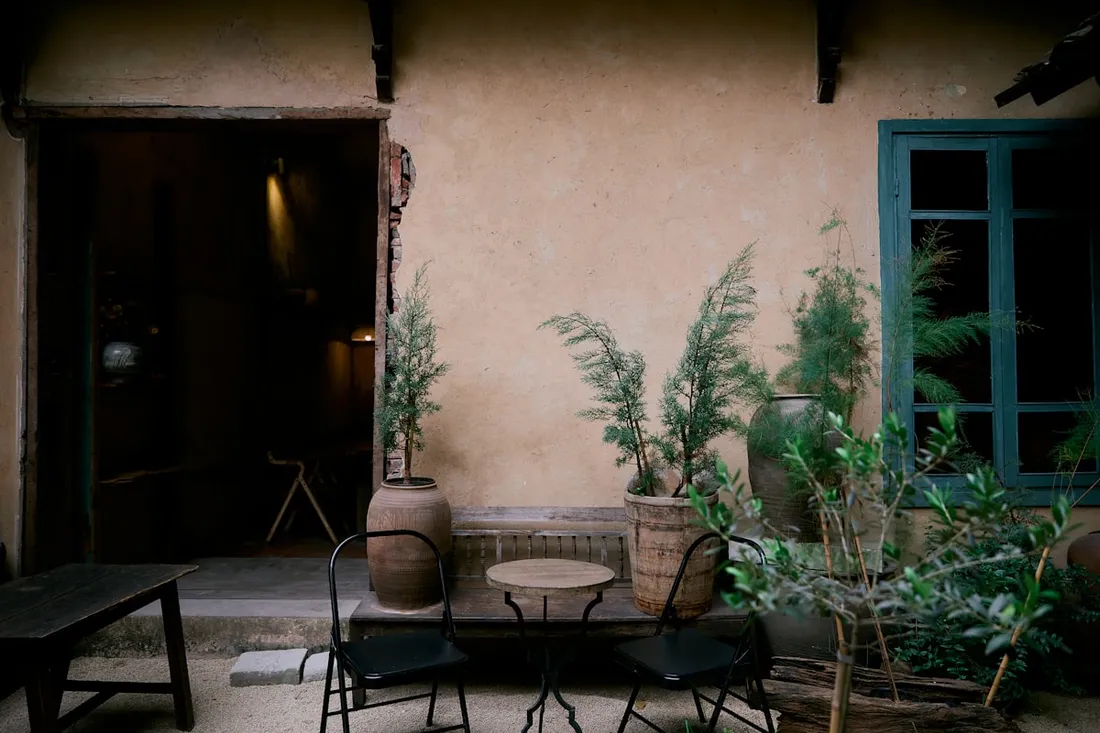
I bought a bistro set for my 8-foot apartment balcony before measuring it. This sounds like a minor mistake until you’ve spent three months turning sideways to squeeze past wrought iron chairs, your hip catching the table edge every single morning, your coffee sloshing because you can’t take a full step between the door and the seat. I finally returned the whole thing, replaced it with a single lounger and one oversized planter, and the balcony went from obstacle course to the only spot I wanted to be.
The problem was never the size. It was the sequence.
Why Small Patios Fail (And It’s Never About Size)
Every small patio guide leads with furniture. The best bistro sets! The cutest outdoor loveseat! And that’s exactly backwards — buying outdoor furniture before you’ve mapped your layout is like choosing a sofa before you know which wall it’s going against. You end up with nice pieces arranged in ways that make 60 square feet feel like 30.
I’ve watched this pattern play out dozens of times, in my own apartment and in every friend’s place I’ve helped. Someone drops $400 on a patio set, drags it outside, realizes it blocks the door swing or eats the entire floor area, then spends the summer pretending it works. It doesn’t work. They know it doesn’t work. But they already spent the money, so the set stays.
Small spaces punish bad planning harder than big ones. In a large backyard, a poorly placed table just means awkward flow. On a 6-by-8-foot balcony, it means you can’t open the sliding door all the way. The margin for error is basically zero, which is actually good news — it means the right layout feels immediately, obviously correct. You’ll know it the first time you walk out there and don’t have to turn sideways.
The answer isn’t buying smaller furniture. It’s deciding what the space is for before you buy anything at all.
What Type of Patio Do You Actually Have?
Not all small outdoor spaces share the same constraints, and advice that works for a ground-floor concrete slab is useless on a fourth-floor balcony. Figure out which of these five you’re working with before you open a single browser tab:
- Apartment balcony (30–80 sq ft): Weight limits are real — check your lease. You’re probably dealing with a narrow rectangle, one solid wall, and a railing. Wind is a factor above the second floor. Drainage matters because you don’t want a waterfall onto your neighbor’s balcony every time you water plants.
- Concrete slab (60–120 sq ft): The suburban default. Usually off a sliding glass door, partially shaded by the house, fully exposed on the other sides. The surface already exists; you’re just furnishing it. These are the easiest to get right.
- Side yard (varies wildly): That strange narrow strip between your house and the fence. Often shaded, often ignored. The proportions are weird — sometimes 4 feet wide and 20 feet long — but that’s actually a gift if you treat it like a corridor rather than a room.
- Front stoop (15–40 sq ft): Small, visible from the street, and massively underestimated. Two chairs and a small table can turn a stoop into actual living space. The constraint here is that it’s public-facing: you want it to look intentional from 30 feet away too.
- Rooftop terrace (varies): Sun exposure is brutal, wind is constant, and everything you bring up has to survive both. Weight limits apply again. But the views usually do half the design work for you.
The sun question matters more than the size question. Track where direct light hits your space at 10 AM, 2 PM, and 6 PM on a clear day. This tells you where you’ll actually want to sit, which determines your entire layout. I’ve watched people put a full dining setup in the one corner that gets destroyed by afternoon sun and then wonder why nobody uses it from May through September.
Start With One Anchor Piece, Build the Rest Around It
Once you know your space type and your sun map, pick one anchor piece. Not a set. Not a “collection.” One piece.
For a balcony, that’s probably a single chair — something you actually want to sit in for more than ten minutes. For a concrete slab, it might be a compact loveseat or a small dining table for two. For a side yard, a bench against the long wall. The anchor piece sets the scale for everything that follows. If your chair is 28 inches wide, you immediately know how much room is left for a side table, a planter, a clear path to the door. The math does itself.
Tape out the footprint of your anchor piece on the ground with painter’s tape before you order anything. Sit in that taped rectangle on a regular chair. Can you stretch your legs? Can someone walk past you to get inside? Can the door open fully? If the answer to any of those is no, you need a smaller piece or a different spot. This takes ten minutes and saves you a return shipping fee. (And three months of bruised hips. Ask me how I know.)
When I swapped that bistro set for a single poolside-style lounger, I got back about 12 square feet of usable balcony. That’s where the big planter went. Suddenly I had a place to sit and something green to look at, instead of a miniature furniture showroom I couldn’t walk through. One piece, not three. That’s what unlocked it.
Budget Tiers: What $200, $500, and $1,200 Actually Get You
Let’s talk real numbers because “affordable outdoor furniture” means nothing without them.
At $200, you’re getting one or two functional pieces that’ll last two to three seasons. Steel or resin frames, not teak. That’s fine — for a rental patio or a space you’re still figuring out, durability-over-decades isn’t the priority.
- IKEA NÄMMARÖ folding chair and small table (~$80 for both): Acacia wood, foldable, surprisingly solid for the price. This is the play for balconies — fold everything flat when you’re not using it and reclaim your floor space. NÄMMARÖ is one of the few IKEA outdoor lines I’d actually recommend without caveats.
- Wayfair Hinkel 3-piece bistro set (~$160): Powder-coated steel in a few colors. The chairs aren’t the most comfortable seats you’ll ever land in, but throw a cushion on them and they’re perfectly adequate for morning coffee.
- Target Threshold Southport stacking chair (~$50 each): Metal frame, stackable, comes in black or white. Two of these and a $30 side table. Done.
At $500, the jump in materials and comfort is real. You’re getting wood or aluminum that won’t pit after one winter, and cushions thick enough that you actually linger outside.
- Article Toja outdoor lounge chair (~$250 each): The acacia frame ages well and the cushions are dense — you can feel the difference the second you sit down, that satisfying resistance instead of immediately bottoming out. I think of these as the outdoor version of what Article does indoors — pieces that hold up better than the price suggests.
- Wayfair Alaterre Grafton eucalyptus conversation set (~$480): Four seats, a table, cushions included. Eucalyptus is a solid middle-ground wood — harder than pine, cheaper than teak, and it weathers to a nice silver if you let it.
- CB2 Breton metal side table (~$130): Pair this with any of the above. It weighs about 15 pounds and reads like it costs twice what it does.
At $1,200, you’re buying furniture that looks better in year five than year one.
- Room & Board Eos outdoor lounge pair with side table (~$1,100): Powder-coated aluminum, Sunbrella cushions, the kind of clean lines that work on every patio type. This is buy-it-once territory.
- Rejuvenation Larnaca teak bench (~$900): Solid teak. It’ll silver gracefully with weather. The weight of it when you sit down — that density you can feel through your whole body — tells you immediately this thing isn’t going anywhere in a windstorm.
- Spend whatever’s left on planters and lighting. Don’t blow the entire budget on seating.
Plants That Survive Outdoor Life (Without Constant Attention)
I don’t have a green thumb. I have a “remembers to water things once a week, sometimes twice if it’s hot” thumb. Every recommendation here has been filtered through that reality.
For full sun (6+ hours direct light): Lavender is the answer to a question most people don’t think to ask. It’s drought-tolerant, it smells incredible when you brush past it on the way to your chair, and it looks good from spring through fall. Get a 2-gallon plant and a container at least 12 inches wide. Rosemary works the same way — it’s basically a shrub that also happens to be useful in the kitchen. Hard to kill in a sunny spot. Sedums in shallow planters round things out. They thrive on neglect.
For shade (under 4 hours direct): Boston ferns in hanging planters love humidity and indirect light, which makes them perfect for covered balconies here in Portland. (This might be a climate thing. I genuinely don’t know if they’d make it through a Phoenix summer.) Hostas in large pots come back every year, fill space fast, and are almost impossible to kill with inattention.
One rule that changed how my balcony looks: use the biggest planter you can fit. A single 18-inch pot with one healthy plant beats five 6-inch pots in a row. The small pots look cluttered. The big pot looks intentional. Every time.
The Zone Trick: 80 Square Feet, Two Rooms
Here’s where it gets actually interesting. Even in 80 square feet — roughly the area of a king bed and a half — you can create two distinct zones. The psychological payoff is wildly out of proportion to the effort.
Zone 1: The sitting zone. Your anchor piece, a side table, a drink in your hand. This faces away from the door if possible. You’re creating a destination, not a doorstep.
Zone 2: The green zone. A cluster of plants, a small shelf or stand, maybe a wall-mounted planter if you own the place. This zone exists to make zone one feel like it’s somewhere — not just a slab of concrete outside your sliding door.
You don’t need a physical divider between them. An outdoor rug under the sitting area does it. A change in planter height does it. Even the visual gap between your chair and your plant cluster creates the sense of two spaces. There’s actual spatial cognition research behind this — our brains read boundaries even when they’re implied rather than literal. The same principle that makes a well-placed rug anchor a living room works at a smaller scale out here.
Side yards get this for free: one end is the sitting area, the other is the garden wall. A string of lights connecting the two ties them together and gives the whole strip a sense of purpose.
The Finishing Details Nobody Budgets For (But Everyone Notices)
The gap between a patio that looks “fine” and one that makes you actually want to stay outside? It’s never the furniture. It’s everything around the furniture.
Lighting is the single biggest upgrade you can make. I’ve written a whole piece on how to think about lighting for interiors, and most of the logic translates outdoors. String lights are the obvious move — warm-toned Edison-bulb style, not the multicolored party strands — and they work because they create a ceiling where there isn’t one. A defined overhead plane makes an open patio feel like a room. Hang them in a zigzag at about 8 feet. A 48-foot strand from Brightech runs around $30 and covers most small spaces.
Outdoor textiles are the difference between sitting on furniture and wanting to stay there. One weather-resistant throw, a couple of cushions. Sunbrella fabric is the standard for good reason — it doesn’t mildew, doesn’t fade, and doesn’t have that plasticky tarp feeling that cheaper outdoor fabrics punish you with. A pair of Sunbrella lumbar pillows from Wayfair runs about $40, and they’ll still look good in three years.
A single candle or lantern on the table. Not for light output — for atmosphere. There’s a Mediterranean instinct at work here, the same logic that makes a simple table with a candle and a plate of bread feel like a whole evening. Outside, a glass hurricane lantern with a pillar candle does the job for under $20.
An outdoor rug, if you’re on concrete or raw decking. Not required, but a rug under the sitting zone softens everything and visually anchors the space. The Safavieh Courtyard line runs about $40 for a 4x6, holds up to weather, and doesn’t look like it’s trying too hard.
My test for whether an outdoor space is actually finished: can you sit out there at 8 PM with a drink and not want to go back inside? If yes, you’re done. If no, it’s almost always lighting or comfort that’s missing — not another piece of furniture. Start with the layout. Build from one anchor piece. Finish with the details that make you stay. And if you catch yourself browsing patio sets before you’ve taped out your floor plan, close the tab.